
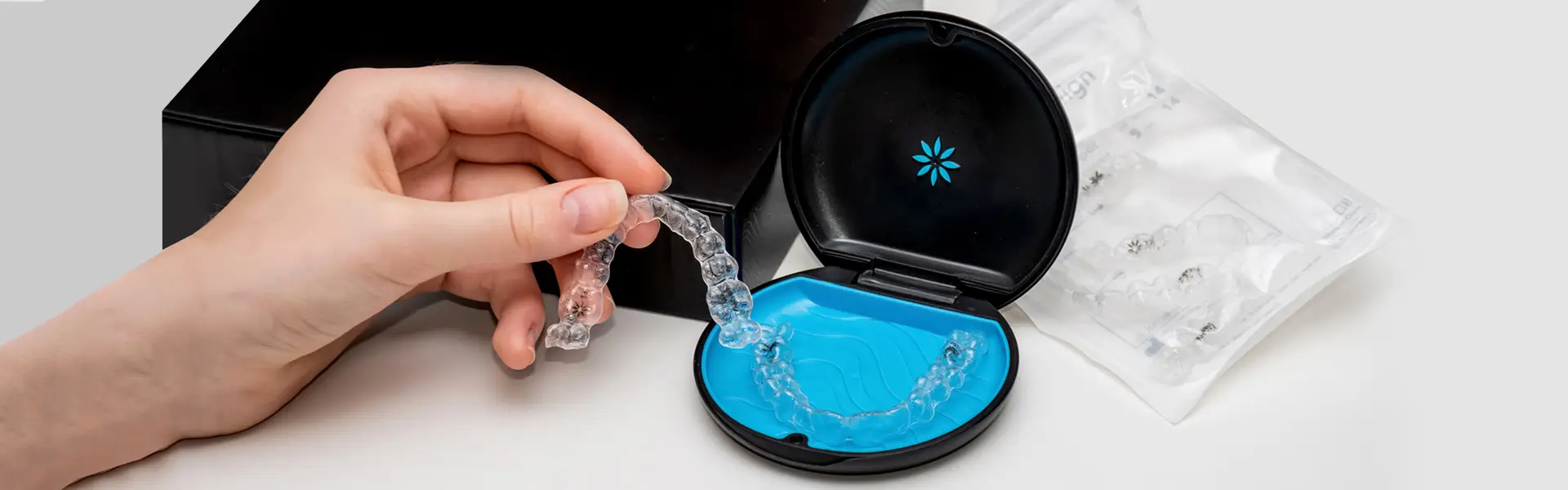
Invisalign in Salem, MA: Is Late Summer the Best Time to Start Treatment?
Choosing to improve your smile with teeth straightening is a big commitment, and late summer offers an excellent opportunity to start.
While the season itself doesn’t affect how teeth move, it can make it easier to adjust to wearing aligners before work, school, and holiday schedules become busier.
If you’re considering Invisalign Salem, MA, the best time to start is when you’re ready to commit to wearing your aligners for 20 to 22 hours each day. Consistency has a much greater impact on your results than the month you begin treatment.
Is Late Summer Really the Best Time to Start?
There is no clinical evidence that Invisalign works faster during late summer. Tooth movement follows the same biological process throughout the year.
That said, many people prefer starting before fall because it offers:
- More flexibility for initial appointments
- Time to get used to wearing aligners
- An opportunity to establish good daily habits before schedules become busier
Rather than focusing on the calendar, think about whether you’ll be able to follow your treatment instructions consistently.
What Happens During an Invisalign Consultation?
An Invisalign consultation in Salem begins with a detailed evaluation of your teeth, bite, and overall oral health.
Your appointment may include:
- A comprehensive dental examination
- Digital scans or impressions
- Bite assessment
- X-rays, if clinically needed
- A discussion about your smile goals and expected timeline
Digital scans allow your dentist to create a customized treatment approach and, in many cases, provide a preview of the planned tooth movement. This visit also helps determine whether Invisalign is the most appropriate option for your needs.
When Invisalign May Not Be the Right Choice
Although Invisalign is effective for many people, it isn’t suitable for every case.
Your dentist may recommend another orthodontic approach if you have:
- Significant jaw alignment problems
- Severe tooth rotations
- Active gum disease
- Untreated cavities that require care first
Choosing the right treatment is more important than choosing the least noticeable one.
Can Invisalign Correct an Underbite or Overbite?
Clear aligners can address many bite concerns, but the results depend on the underlying cause.
Overbite
For many patients, overbite correction with Invisalign can improve mild to moderate bite issues. Some cases also require small attachments or elastics to guide tooth movement.
Underbite
Whether underbite Invisalign treatment is appropriate depends on the severity of the condition. Mild cases caused mainly by tooth position may respond well to clear aligners, while more complex skeletal underbites often require additional orthodontic treatment.
A clinical examination is the only way to determine which option is best for your smile.
Invisalign for Adults and Teens
Invisalign isn’t just for teenagers. Adults frequently choose clear aligners to correct crowding, spacing, or teeth that have shifted over time.
Teens can also benefit from wearing their aligners as instructed.
Does Invisalign Fit an Active Lifestyle?
Many people find Invisalign easier to manage than traditional braces because the aligners are removable.
This can be especially helpful for:
- Students who play sports and need a mouthguard
- Musicians who play wind instruments
- Adults who want to maintain their normal oral hygiene routine
The key to staying on schedule is wearing your aligners for the recommended number of hours each day.
Final Thoughts
The right time to start Invisalign is when you’re ready to commit to the process and have a treatment plan designed around your individual needs. A thorough examination will help determine whether clear aligners are the right choice for you. Take the next step with Mass Bay Dental.
Frequently Asked Questions
Late summer doesn't make teeth move faster, but many people find it easier to begin treatment before school, work, and holiday schedules become busier.
Treatment varies for every patient. Mild cases may take several months, while more complex orthodontic concerns can take longer.
No. Follow-up visits are scheduled based on your treatment progress, not on the season you start.
In many cases, yes. Eligibility depends on your individual FSA or HSA plan, so it's best to confirm your available benefits before beginning treatment.
For many teens, yes. Aligners can be removed during contact sports when wearing a mouthguard, and many musicians adjust well because there are no brackets or wires.
Your first visit includes an examination, digital scans, a bite evaluation, and a discussion about your treatment options. If Invisalign is appropriate, your aligners are custom-made and provided at a later appointment.
The cost depends on the complexity of your case, the number of aligners needed, and your insurance benefits. You'll receive a personalized estimate after your consultation.
For many mild-to-moderate orthodontic concerns, Invisalign can achieve results comparable to traditional braces when worn as directed. More complex cases may require a different treatment approach.
Not wearing your aligners as instructed can slow tooth movement, affect the fit of future aligners, and extend the overall length of treatment.
Yes. Invisalign offers adults a nearly invisible way to straighten teeth and correct bite problems while maintaining a natural-looking smile throughout treatment. A comprehensive evaluation will determine whether it is the right choice for your individual needs.