
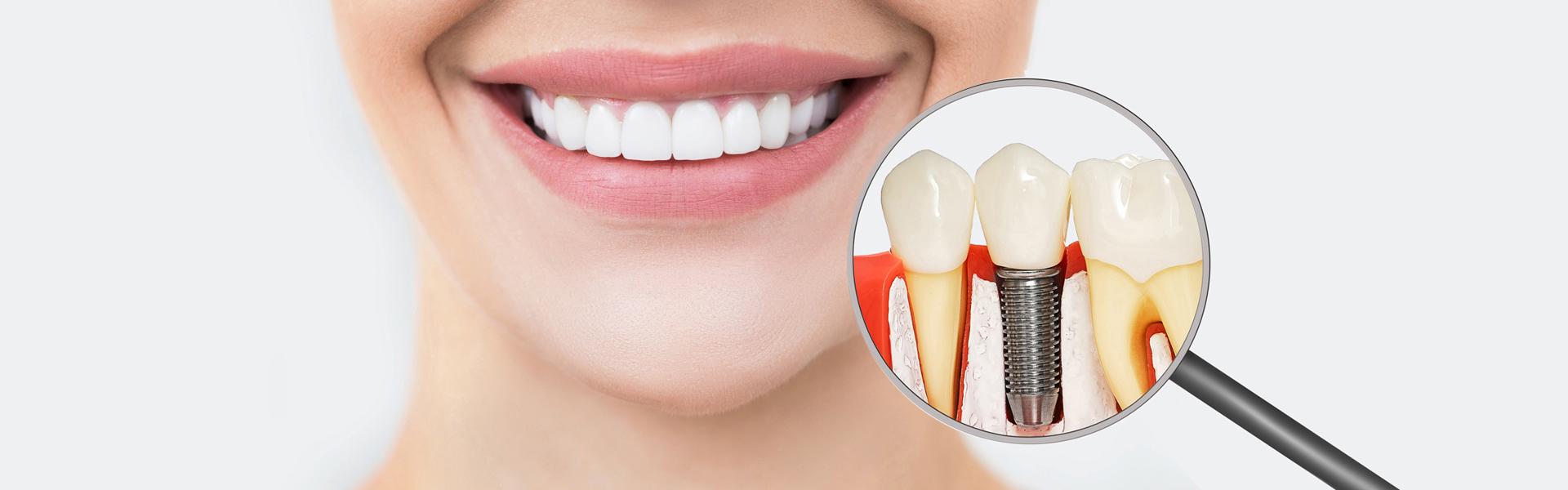
What to Eat After Dental Implant Surgery: Recovery Tips for Salem, MA Patients
Dental implants are a trusted and long-lasting option for tooth replacement, improving your ability to chew, communicate, and smile confidently.
While the procedure itself is an important step, the recovery period that follows can influence how comfortably your mouth recovers. One of the most common questions patients have after treatment is what to eat after implant surgery and which foods to avoid during the healing phase.
At Mass Bay Dental, Dr. Gueorgui Ivanov provides dental implants in Salem, MA, for patients seeking a long-term solution for missing teeth. Following the right dietary recommendations after surgery can reduce irritation at the treatment site and promote a favorable recovery.
Why Food Choices Matter After Implant Placement
Once the implant is placed, the nearby gum tissue and jawbone begin the natural healing process. During this time, the surgical area may feel tender, especially during the first few days. Choosing soft, easy-to-chew foods can reduce pressure on the treatment site and make eating more comfortable.
Nutrition also plays an important role in tissue repair. Your body requires a variety of nutrients to recover after oral surgery and support the process that anchors the implant securely in the jawbone.
Eating After Dental Implant Surgery: A Guide for the First 48 Hours
The first two days after surgery are often when patients experience the most swelling and tenderness. During this period, it is best to choose foods that require little or no chewing.
Recommended options include:
- Yogurt
- Applesauce
- Cottage cheese
- Pudding
- Smoothies without seeds
- Mashed potatoes
- Oatmeal
- Scrambled eggs
- Protein shakes
- Lukewarm soups
Proper hydration is an important part of recovery. Drinking plenty of water throughout the day can help keep you comfortable and support the healing process.
Foods to Consider During the First Week
Being informed about dental implant recovery can help patients select suitable foods, promote healing, and avoid avoidable discomfort during the healing period.
Once the initial soreness begins to subside, many patients can gradually add foods with a slightly firmer texture. The goal is to continue eating comfortably without placing excessive stress on the surgical area.
Foods that are often suitable during this stage include:
- Soft pasta
- Rice
- Steamed vegetables
- Flaked fish
- Ground chicken or turkey
- Avocados
- Bananas
- Hummus
- Well-cooked beans
Recovery experiences vary from person to person. If a particular food causes discomfort, it is usually best to wait a few more days before trying it again.
Patients throughout Salem, including those near The Point and the Chestnut Street District, often ask how soon they can return to their normal eating habits after implant placement. The answer depends on individual healing progress and your dentist’s recommendations.
Foods to Avoid After Dental Implant Surgery
Certain foods can irritate the treatment site or interfere with recovery. Hard, crunchy, sticky, and chewy foods should generally be avoided until your dentist advises otherwise.
Examples include:
- Popcorn
- Chips
- Nuts
- Hard candies
- Pretzels
- Crusty bread
- Tough cuts of meat
- Sticky candy
- Chewing gum
- Raw crunchy vegetables
Following these recommendations can protect the surgical area while your mouth recovers.
Oral Surgery Nutrition and Recovery
Good nutrition plays a key role in post-surgical healing by providing the nutrients needed for tissue regeneration and repair.
Protein is especially important because it contributes to tissue regeneration during recovery.
Good protein sources include:
- Eggs
- Greek yogurt
- Fish
- Soft poultry
- Protein shakes
Collagen, a key protein involved in gum tissue recovery, relies on adequate vitamin C intake. Excellent dietary sources include oranges, strawberries, and kiwi.
Calcium and vitamin D contribute to healthy bone structure. These nutrients are particularly important because the implant must fuse with the jawbone through a process known as osseointegration.
A balanced diet provides your body with the nutrients it needs as the surgical site heals and the implant stabilizes within the jawbone.
Additional Dental Implant Aftercare Tips
Effective dental implant aftercare involves following dietary guidelines, practicing good oral hygiene, and attending all recommended follow-up appointments.
Food choices are only one part of post-operative care. Following your dentist’s instructions is equally important during recovery.
Patients are commonly advised to:
- Get adequate rest
- Take prescribed medications as directed
- Apply ice packs during the first 24 to 48 hours
- Maintain gentle oral hygiene
- Avoid strenuous physical activity for several days
- Avoid smoking, vaping, and tobacco products
Smoking and tobacco use can delay recovery and increase the risk of implant complications. Patients who avoid these products generally experience more predictable healing outcomes.
When Can You Return to a Normal Diet?
Many patients can begin introducing firmer foods within one to two weeks. However, recovery timelines differ depending on the complexity of the procedure, overall health, and individual healing patterns.
Complete healing takes longer because the implant must fuse with the jawbone through osseointegration. This process may require several months to finish.
Your dentist will evaluate the surgical site during follow-up visits and let you know when it is appropriate to resume eating harder foods.
Personalized Implant Care at Mass Bay Dental
Achieving a successful implant outcome involves both precise implant placement and diligent post-procedure care during the healing process. Dr. Gueorgui Ivanov and the team at Mass Bay Dental provide detailed post-operative guidance so patients understand what to expect throughout every stage of treatment.
Frequently Asked Questions
Soft foods that require little chewing are usually recommended during the first few days. Common choices include yogurt, mashed potatoes, smoothies, oatmeal, scrambled eggs, and soup.
Hard, crunchy, sticky, and chewy foods should generally be avoided until your dentist confirms that the treatment site has recovered sufficiently.
Most dentists recommend avoiding hot coffee for 24 to 48 hours after surgery because heat can increase irritation and bleeding. Follow your dentist's instructions for guidance specific to your situation.
Yes. Mild swelling is a normal response after surgery and typically peaks within the first few days before gradually improving.
Most patients experience early gum healing within 1 to 2 weeks, but complete osseointegration of the implant with the surrounding bone usually takes a few months.